
How to install a garage door
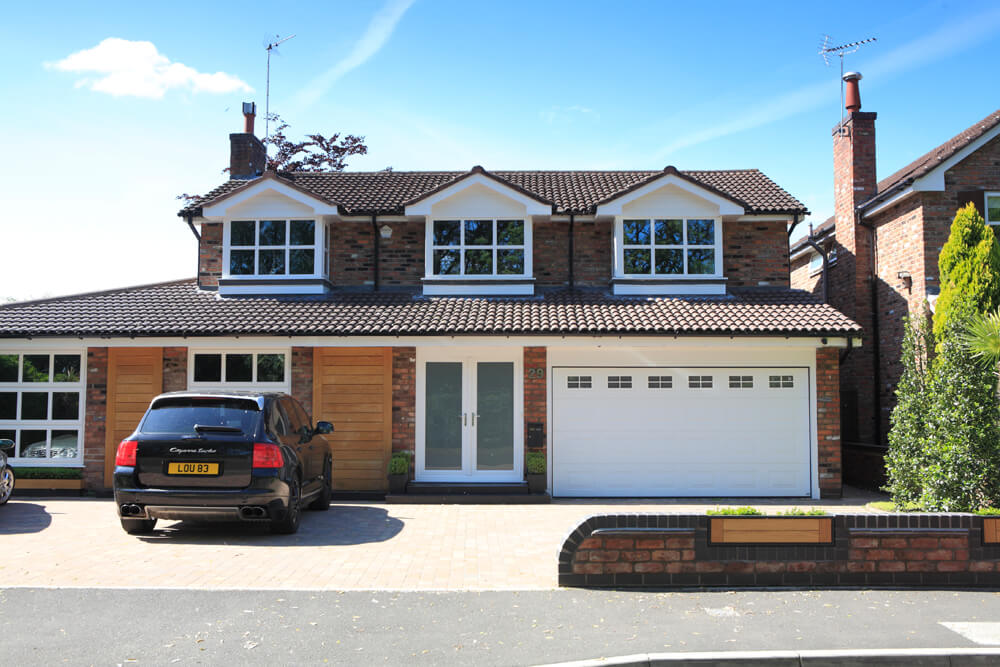
Whether you’re replacing an ageing garage door or choosing one for a new property, the installation process starts long before fitting begins. You need the right door, accurate measurements and a suitable opening before the new system can be installed and tested.
Here’s what to expect from a professional garage door installation.
Step 1: Choose the Right Garage Door
Start by choosing a door that suits your property, available space and how you use the garage.
Material affects appearance, maintenance and durability. We manufacture GRP garage doors in-house and also supply wooden and steel doors from leading manufacturers.
Steel garage doors are strong and relatively low-maintenance, while wooden garage doors provide a more traditional appearance but generally require more upkeep. GRP offers excellent durability with a lightweight construction.
You’ll also need to choose how the door opens. Up-and-over doors are a simple, popular option, roller doors are useful where space is limited, and sectional doors open vertically before travelling back into the garage. Side-hinged garage doors offer a traditional aesthetic and can work well where ceiling space needs to remain clear.
Step 2: Choose the Colour and Finish
Your garage door is a prominent part of your home’s exterior, so its colour should complement the surrounding brickwork, windows and entrance doors.
Neutral shades such as white and grey suit many properties, while stronger colours can create a more distinctive finish.
Our doors are available in a wide range of colours through the RAL colour matching system, giving you plenty of flexibility when choosing the final appearance.
Step 3: Arrange a Free Quote and Site Survey
Accurate measurements are essential before a garage door is manufactured or ordered.
We provide a free, no-obligation quote and site survey to check the garage opening and make sure the proposed door is suitable.
The survey will typically assess:
- The width and height of the opening
- Headroom, ceiling space and side clearance
- Potential obstructions
- The surrounding structure
- The most suitable opening style
- Requirements for insulation or automatic operation
The team can also advise on which type of door and opening system will make the best use of the available space.
Once everything has been confirmed, an accurate quotation can be provided for the door and installation.
Step 4: Remove the Old Door and Prepare the Opening
If you’re replacing an existing garage door, the old door and any relevant tracks, frame or operating equipment will first be removed.
The installers can then check the fixing points and surrounding structure and prepare the opening for the new system.
Garage doors may use heavy components, tensioned springs and cables, so removal and installation are best handled by trained professionals.
Step 5: Install the New Garage Door
The fitting process varies depending on the type of garage door.
For a sectional door, for example, the panels are fitted into vertical tracks, with horizontal tracks supporting the door as it opens into the garage. Roller, up-and-over and side-hinged doors use different frames and operating mechanisms.
Whatever the design, the frame, tracks and operating components need to be positioned and aligned correctly so the door opens and closes smoothly.
Step 6: Install Any Automatic Opener
If you’ve chosen an automatic garage door, the motor and control equipment will also be fitted and connected to the door.
The system is then programmed and tested, and you’ll be shown how to operate it correctly.
If you’re unsure about the terminology, our guide explains the difference between automatic and electric garage doors.
Step 7: Test the Garage Door
Before the installation is complete, the door will be checked to make sure it operates safely and smoothly.
This includes checking the alignment, fixings and moving components, along with the automatic controls where fitted. The door will be opened and closed several times so any final adjustments can be made.
You’ll also be shown how to use the door correctly and given any relevant maintenance advice.
How Long Does Garage Door Installation Take?
Most standard garage door installations can be completed within a day.
More complex installations may take longer if the opening needs modification, additional preparation is required or a more involved automatic system is being fitted.
The site survey helps identify these requirements before installation begins.
What Happens to the Old Garage Door?
We can remove and responsibly dispose of your old garage door for an additional fee, saving you the need to dismantle and transport it yourself.
If you prefer to arrange disposal independently, check with your local recycling or waste facility to confirm which materials they accept.
Arrange Your Garage Door Installation
Choosing the right door and making sure it is accurately measured, fitted and tested are key to getting the best result.
CDC Garage Doors can help with the full process, from selecting the material and opening style through to the site survey and professional installation.
Contact us to arrange a free, no-obligation quote and site survey.